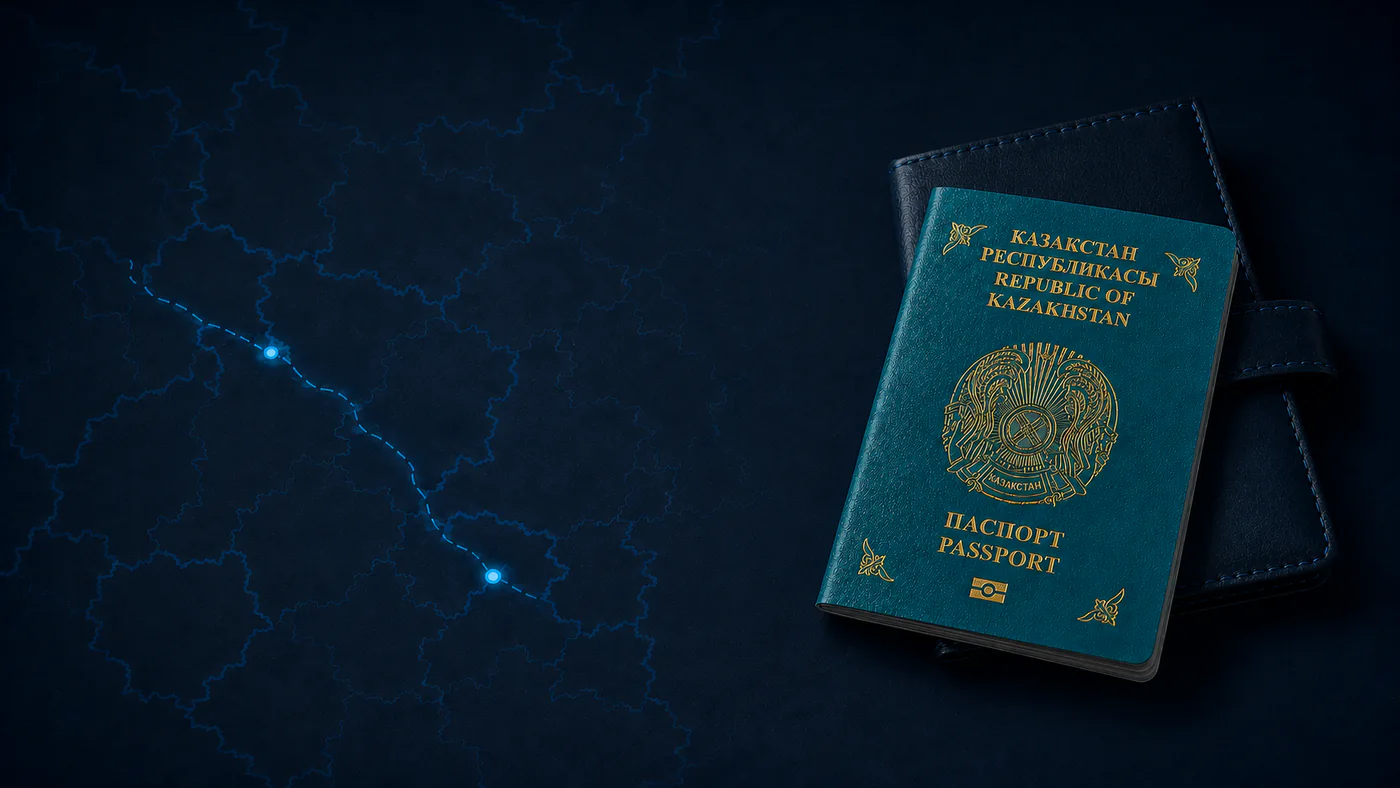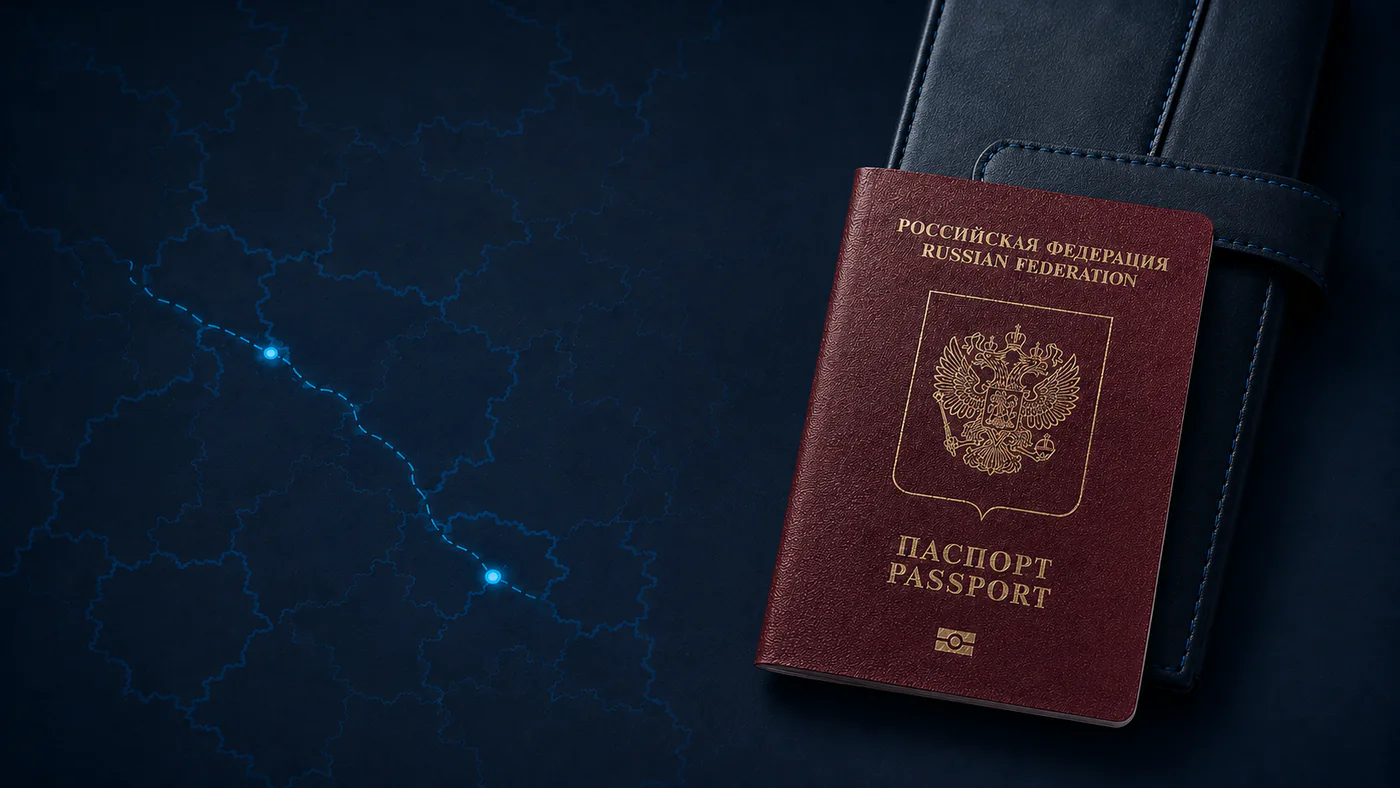
The Samara–Uralsk route passes through the Teploe road checkpoint in Russia's Orenburg region. The corresponding checkpoint on the Kazakhstan side is called Shagan. Official registers classify Teploe as a permanent bilateral road checkpoint for passengers and freight.
Bilateral status means that the checkpoint is intended primarily for citizens of Russia and Kazakhstan. A passenger with another citizenship, a residence permit or an unusual set of documents should confirm eligibility with the competent border authorities in advance and tell the operator before a vehicle is assigned.
Passengers and the vehicle go through controls conducted by both countries. The exact order depends on the direction of travel and instructions from checkpoint staff. The driver joins the queue, accompanies the vehicle through the controlled area and tells passengers when to prepare documents or leave the cabin.
- Prepare before entering
Every passenger should have the original travel document required for the crossing ready. Do not pack documents in the boot or at the bottom of a suitcase.
- Passenger checks
Documents are presented to a border officer. Passengers may be asked routine questions about the purpose and length of the trip. Answer independently, briefly and consistently with your documents.
- Vehicle and luggage inspection
When requested, the driver opens the vehicle and passengers present their belongings for inspection. The scope of a check depends on the current procedure and cannot be known in advance.
- Control on the other side
After clearing one checkpoint, the vehicle proceeds to its counterpart across the border. The crossing is complete only after all procedures have ended and the vehicle has left the controlled area.
Every passenger needs their own valid original document. Requirements for children depend on age, citizenship and the accompanying adult. If a child's surname differs from the accompanying adult's, or the child travels without one parent, check in advance whether a birth certificate, proof of relationship or notarised consent is required.
Before travelling, check the rules for medicines, food, cash and other restricted goods. Keep prescription medicines in their original packaging together with a prescription or medical letter. Tell the operator about unusual luggage in advance, but only government authorities make the final decision on whether goods may cross the border.
The five-to-six-hour estimate applies to the full journey in normal road conditions, not to a guaranteed border-processing time. Queues can change throughout the day. Weekends, holidays, seasonal passenger traffic, weather, roadworks, available lanes, the passenger group and additional inspections can all affect the wait.
Inside the controlled area, follow instructions from the driver and border staff. Do not leave the vehicle without permission, move away from the group or take photos or videos. Keep your phone charged and accessible, but avoid using it unnecessarily during checks.
Prepare for a possible wait with water, essential medicines, a charger and anything a child may need. Warm clothing can be useful in colder weather even though most of the journey is inside the vehicle. The driver can make a comfort stop at passengers' request before approaching the border.
Do not schedule a flight, train or important appointment immediately after the estimated arrival time. Leave a buffer for the border and road conditions. The operator can relay current information and remain available, but cannot manage the queue or influence decisions made by border authorities.
After clearance, the journey continues without transfers or passenger pickups in intermediate towns. Before departure, check your documents again and verify the checkpoint's current status through official border-service announcements. If requirements change, follow the government instructions in force on the day of travel.
Leave your contact details and our operator will confirm the trip.
Book a trip